Build Healthy Study Habits with Bite-Sized Learning and Play


While homework in elementary school is usually minimal, your child has many years of studying ahead of them. Teaching study skills to kids now – in age-appropriate ways – can pay dividends later as they progress through middle and high school.
Whether your goal is to help your child practice reading, complete a school project or enjoy some brain-boosting puzzles, you can ease anxiety and facilitate learning by dividing tasks into short, “bite-sized” sessions. Committing to even 15 minutes a day of learning amounts to more than 90 hours a year!
The Basics of Bite-Sized Learning
Studies have shown that 15 minutes a day of extra reading instruction can boost children’s early reading skills. You can apply this principle to other areas of kids’ learning and development by using a technique called distributed practice.
- Distributed practice is a method of studying in short bursts over a series of days or weeks to help maximize the learning process. For young children, this can translate to, say, daily 15-minute sessions of learning practice or focused play, interspersed with short breaks. You can tailor the length of the sessions to what works best for your child, but you generally should work no more than 25 minutes before a break.
- Movement-based or “brain” breaks are essential to this technique, as studies show they give the brain a chance to replay, process and organize learned information, which aids future recall.
- Support kids with neurodivergence, especially ADHD, using basic distributed practice techniques. Daily study routines and scheduled breaks can ease frustration and aid focus.
Make a Plan for Bite-Sized Learning
Introducing distributed practice techniques to your child doesn’t require a lot of new materials. It mostly comes down to the intention you put behind studying and learning-based play. Simple planning can be one of the best study tips for kids.
- Create a space. You don’t need a dedicated home office or even a desk. You just need a consistent study spot with a flat surface, good lighting and the necessary school supplies.
- Minimize distractions. Remove phones and other devices, turn off the television and store away video games. Even having these items in view can decrease focus and productivity. If your surroundings are noisy, give your child headphones to listen to gentle music.
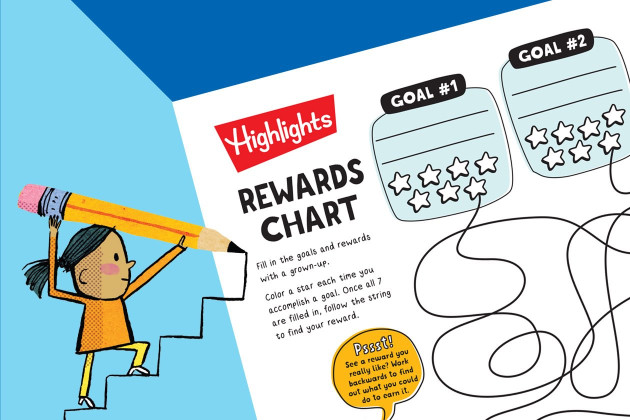
- Set goals and incentives. What do you want to accomplish with this time? Does your child wish to tackle easier work first, or get the tough stuff out of the way? What rewards and breaks will be incorporated into your distributed practice: playing outside, having a snack, being creative, having time on electronics?
Encourage Active Learning
Active learning helps kids engage with information instead of passively reading or listening to it. This can develop a deeper, lasting understanding of their lessons. Active learning techniques include:
- Flashcards. Help your child create flashcards about topics they’re studying or interested in, then make a game of quizzing each other.
- Play teacher. Have your child “be the teacher” and explain concepts, a story or puzzle solutions to you. Studies show that instructing others helps students retain more information and perform better on tests.
- Make a quiz. Ask your child to create their own quiz about something they’ve learned. What might a teacher ask? What are the most important points? Have your child complete the quiz the next day to see what they remember!
Conquer Learning Roadblocks
Learning how to improve study habits is hard work. Reassure your child that, like anything else they practice, embracing the challenge will only make them stronger in the long run.
In the meantime, use these tips to overcome resistance you may encounter along the way:
- Be consistent. The more you practice a habit, the more your brain rewires itself to make the habit easier and more automatic over time. Creating a study habit routine now will pave the way for critical thinking, problem-solving and adaptability in the future.
- Use visual timers. Showing children how much time is remaining in their study sessions can help reduce anxiety, encourage focus and give children a sense of control.
- Practice simple calming techniques. In addition to your planned breaks, have a few deep breathing, muscle relaxation or movement-based techniques on hand to quickly calm and redirect kids in a moment of stress or fatigue.
Avoid Common Study Mistakes
As with many important development opportunities for children, there will be some growing pains as you learn how to teach kids healthy study habits. Here are some ways to help keep those pains to a minimum:
- Don't strive for perfection. Learning and growing are a process. Flexibility is important as both you and your child navigate the process together. While you want to stay as consistent as possible, adhere to the idea of “progress over perfection.”
- Don’t overcomplicate things. Kids can easily become overwhelmed with too many steps or rules. Keep your routine clear and simple to support their understanding.
- Don’t focus solely on the outcome. None of us is perfect at something the first time we try it. Support your child through the ups and downs of the learning process. Praise them for the effort they put into a task. Remind them that mistakes are opportunities to learn.
Benefits of Bite-Sized Learning — for School and Beyond
The academic advantages of learning in short bursts are clear, but there are also other lifelong benefits to helping your child create healthy study habits.
- Build self-confidence. As kids see their skills and mastery grow, they’ll feel a sense of achievement and confidence in their abilities. These positive feelings can motivate them to aim for higher goals in the future.
- Reduce overwhelm. It’s easy for kids to feel overwhelmed by a daunting project or challenging activity. Bite-sized learning makes tasks more manageable, promoting independence, self-efficacy and growth mindset. Parents can reduce their own sense of overwhelm during this process with a learning subscription designed to be used in 15-minute bursts.
- Develop organization and time management. The process of dividing and completing assignments in small chunks helps students learn essential organization and timing techniques that prepare them for future academic challenges.
As with any school subject or developmental milestone, building healthy study skills is a learning process — and sometimes a challenging one. Have confidence that you and your child can rise to that challenge! With the right blend of engaging materials, short bursts of practice and invigorating breaks, you’ll lay the foundation for long-lasting study habits that will benefit your child throughout their entire school career and beyond.